|
|
|
|
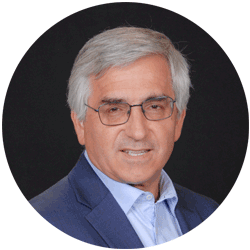 The second quarter of 2026 has underscored both the extraordinary resilience of the Americas and the profound challenges confronting our hemisphere. Across Latin America, citizens continue to reshape the region's political landscape through democratic elections and peaceful transfers of power. During the past several months, Chile inaugurated President José Antonio Kast following a closely watched election, while Colombia, Peru, and Costa Rica also elected new presidents who now face the difficult task of translating campaign promises into effective governance. Boliva’s new President, Rodrigo Paz, faces similar challenges as he works implement an ambitious economic reform agenda intended to restore investor confidence, stabilize public finances, diversify the country's economy, and create new opportunities for private sector investment. Together, these transitions reflect a broader regional moment in which governments must respond simultaneously to slower economic growth, fiscal constraints, public security concerns, energy transition, and rapidly evolving technological change. The second quarter of 2026 has underscored both the extraordinary resilience of the Americas and the profound challenges confronting our hemisphere. Across Latin America, citizens continue to reshape the region's political landscape through democratic elections and peaceful transfers of power. During the past several months, Chile inaugurated President José Antonio Kast following a closely watched election, while Colombia, Peru, and Costa Rica also elected new presidents who now face the difficult task of translating campaign promises into effective governance. Boliva’s new President, Rodrigo Paz, faces similar challenges as he works implement an ambitious economic reform agenda intended to restore investor confidence, stabilize public finances, diversify the country's economy, and create new opportunities for private sector investment. Together, these transitions reflect a broader regional moment in which governments must respond simultaneously to slower economic growth, fiscal constraints, public security concerns, energy transition, and rapidly evolving technological change. |
|
|
|
These political transitions are occurring against the backdrop of another consequential development for the hemisphere. As this edition of Enlace goes to press, the United States has announced that it will not extend the United States-Mexico-Canada Agreement (USMCA) under the treaty's initial six-year review, instead initiating the agreement's formal review process. While this decision does not terminate the agreement, it begins a period of annual reviews through 2036 unless the three countries ultimately agree on an extension or a modernized framework. The coming negotiations will have significant implications for investment decisions, integrated supply chains, manufacturing competitiveness, energy security, agriculture, and the future of North American economic cooperation. While uncertainty looms over the future of the USMCA, millions of people across the hemisphere are united by another event that transcends politics and borders—the 2026 FIFA World Cup, hosted jointly by Canada, Mexico, and the United States. The tournament has become a remarkable celebration of the diversity, passion, and talent that define the Americas. It has been especially gratifying to see so many nations from our hemisphere advance to the knockout rounds, including the host countries of Canada, Mexico, and the United States, together with Argentina, Brazil, Colombia, Ecuador and Paraguay. While these teams will soon compete fiercely on the pitch, they also remind us of the enduring ties that bind our hemisphere through sport, culture, and people-to-people connections. On behalf of everyone at the Institute of the Americas, we extend our best wishes to all of the teams representing the Americas for success in the exciting weeks ahead. May the tournament continue to showcase not only athletic excellence, but also the spirit of friendship and mutual respect that unites our region. Read more |
|
|
|
|
|
|
|
IOA Convenes Binational Water Reuse Forum and Site Visit to Advance Shared Solutions |
|
|
|
|
|
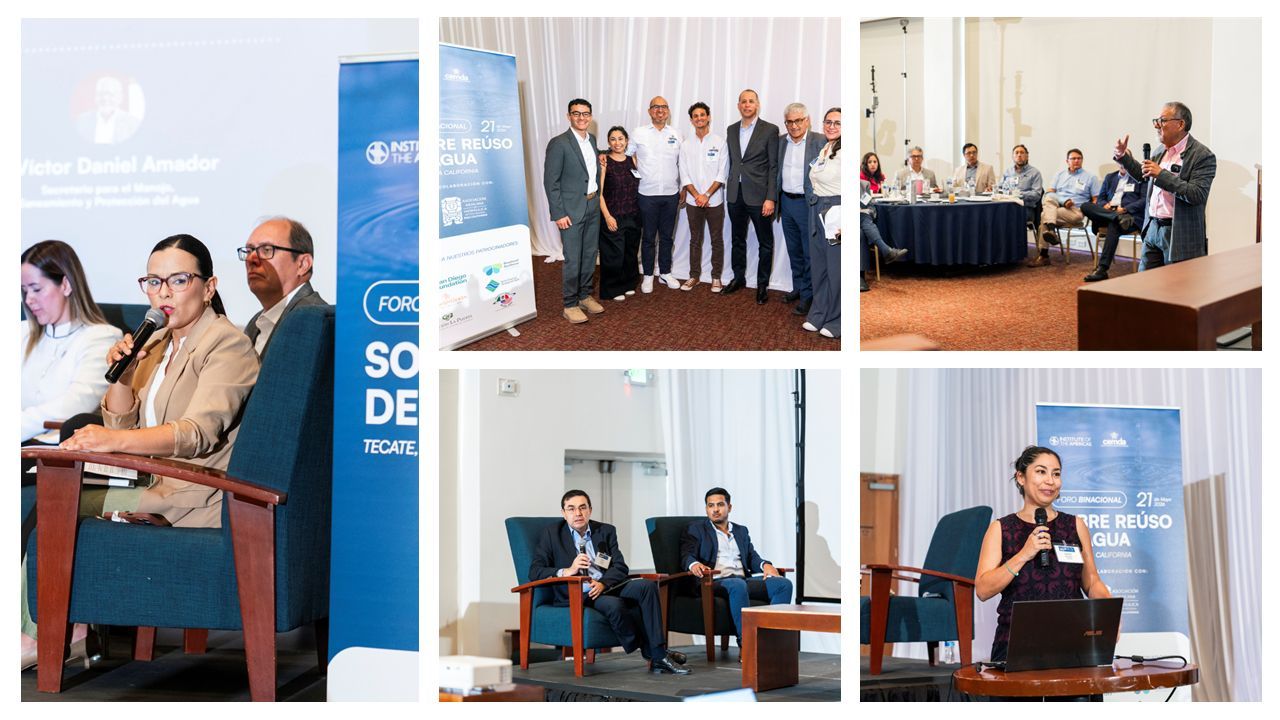
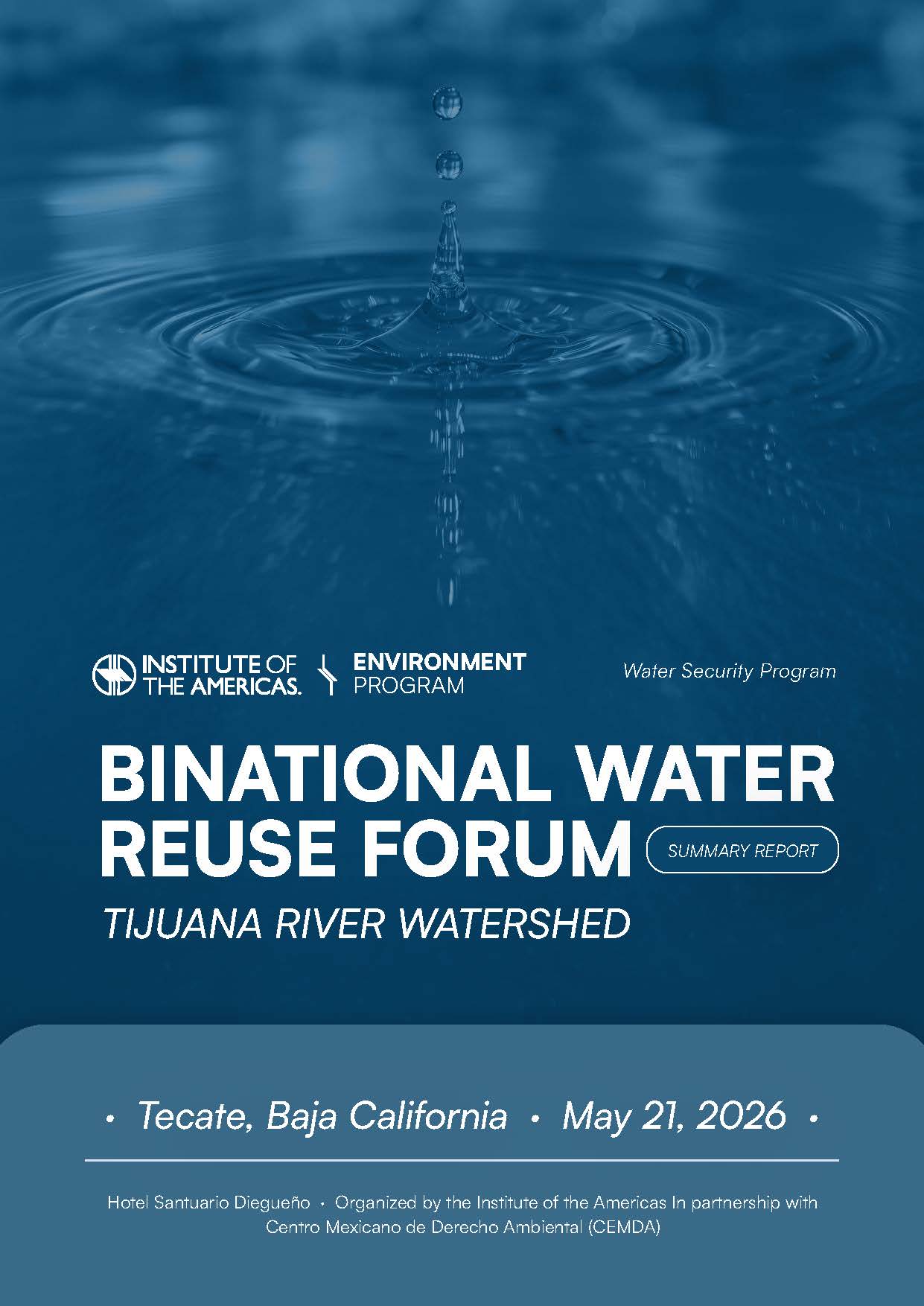
On May 21, 2026, the Institute of the Americas and the Centro Mexicano de Derecho Ambiental (CEMDA), with the Asociación Mexicana de Hidráulica, convened the Binational Water Reuse Forum in Tecate, Baja California. The gathering brought together senior officials, utility directors, financiers, academics, and civil-society stakeholders to chart a regulatory and technical roadmap for water reuse across the California–Baja California border. Discussions spanned regional hydric stress, comparative legal frameworks, financing mechanisms, and reuse technology—including a hands-on tour of Rancho La Puerta's water-purification process. Accompanying reports highlight the urgent need to expand reuse as Baja California confronts mounting water stress. |
|
|
|
|
|
|
|
|
|
|
|
Plans for marking the 35th anniversary of the La Jolla Energy Conference this October are underway including a unique October 13 gala reception and dinner at the Birch Aquarium overlooking La Jolla Shores and Scripps Pier. We also continued to convene timely discussions on the most pressing issues shaping the energy sector across the Americas and beyond. Don’t miss our MEC26 highlights including a summary video, the Conference Report and short speaker interviews, as well as our Mexico Data Center Forum Summary Report. Stay tuned for additional details on the 35th anniversary La Jolla Energy Conference in the coming weeks. |
|
|
|
|
|
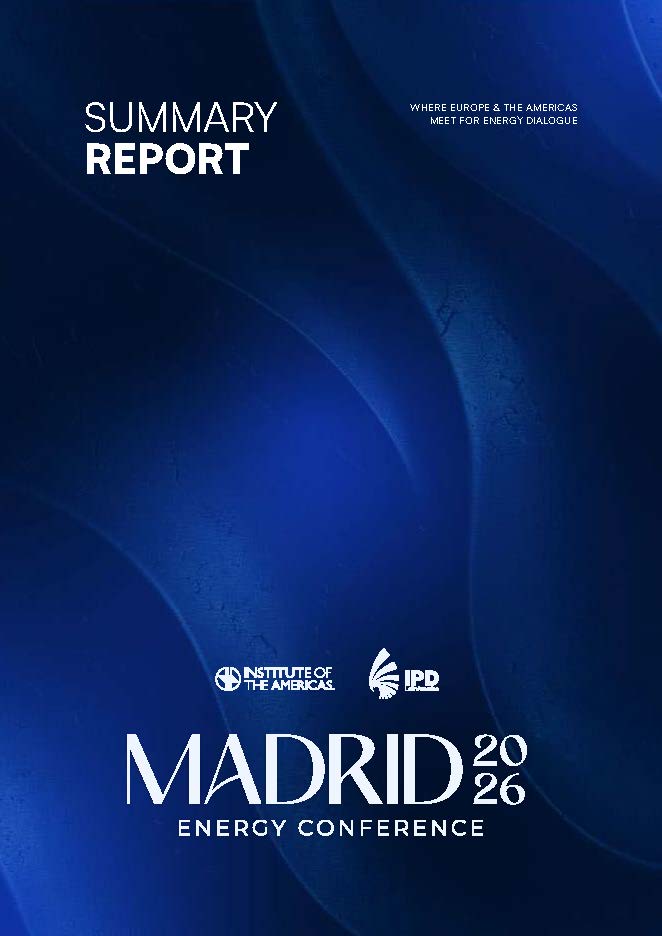
At the end of April, we hosted the 7th annual Madrid Energy Conference, bringing together leaders from Europe and Latin America. The conference took place at a pivotal geopolitical moment. Against the backdrop of the largest energy crisis in modern history, participants gathered to examine the forces reshaping transatlantic energy relations and the growing importance of Europe–Latin America cooperation. Discussions focused on energy security, critical mineral supply chains, LNG, renewables, and the strategic role of emerging energy exporters such as Guyana and Argentina. MEC26 provided a timely forum for leaders from government, industry, and civil society to engage in candid, forward-looking dialogue, united by a shared conviction that deeper collaboration between Europe and Latin America is not only strategic but also increasingly urgent. |
|
|
|
Forum on Data Centers & Energy in Mexico |
|
|
|
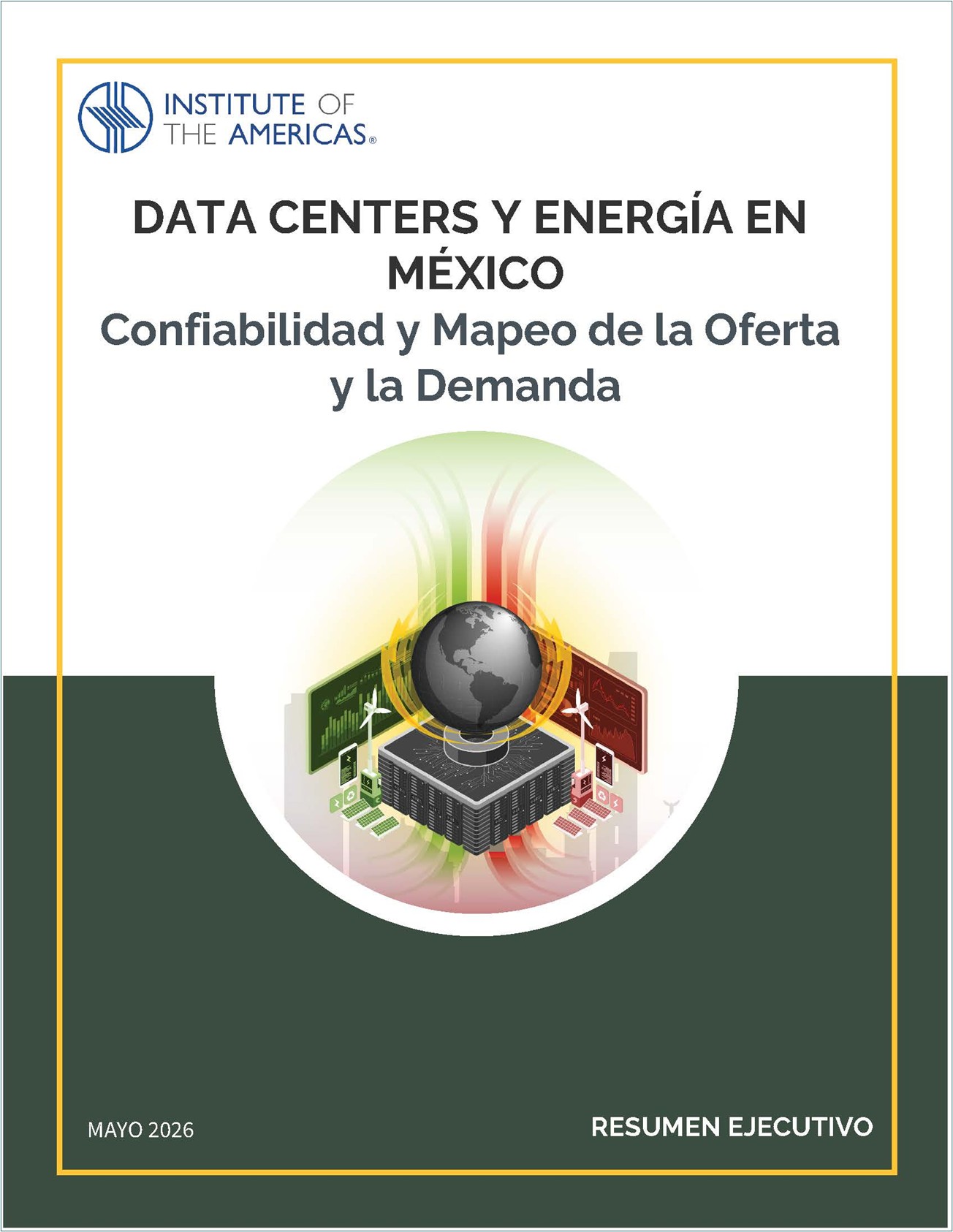
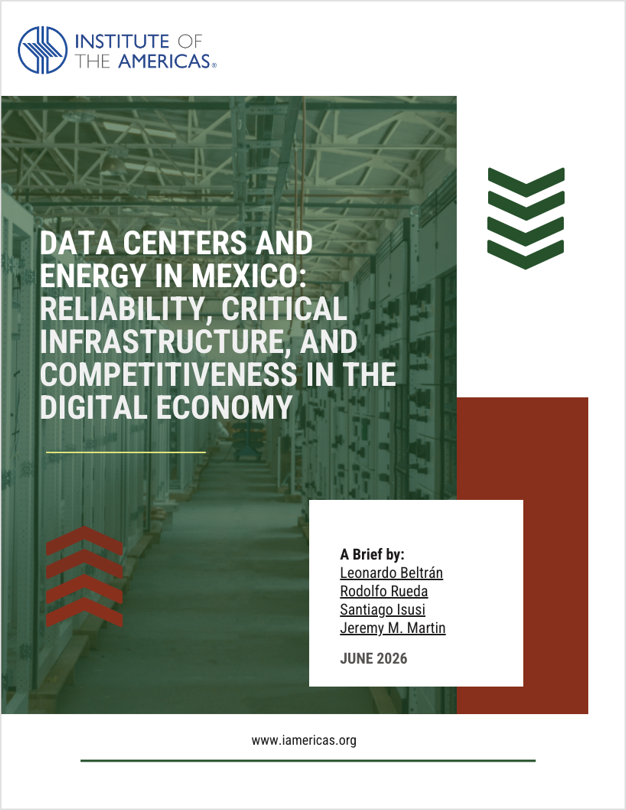
We also convened a forum in Mexico City on May 14: Data Centers and Energy in Mexico: Reliability and Mapping Supply and Demand and at the center was the question: Is Mexico prepared to meet the rapidly growing demand for digital infrastructure? Bringing together leaders from industry, government, finance, and international organizations, the discussion highlighted both the scale of the opportunity and the challenges ahead. Participants agreed that while Mexico has the potential to emerge as a strategic destination for data center investment and AI-driven growth, significant infrastructure, regulatory, and energy-sector constraints must be addressed to fully realize that opportunity. |
|
|
|
Deep dive: Data Centers & Energy in Mexico: Reliability, Critical Infrastructure, and Competitiveness in the Digital Economy |
|
|
|
|
|
To expand our debate at the Data Centers & Energy in Mexico forum, IOA released a report focused on Mexico's reliability, critical infrastructure, and competitiveness in the digital economy, examining how the rapid expansion of artificial intelligence, cloud services, and digital infrastructure is transforming electricity demand and reshaping investment decisions. The report argues that Mexico has a significant opportunity to become a leading digital hub in Latin America, but that success will depend on the ability of the power system to deliver reliable, resilient, and competitive electricity at the pace the sector requires. It highlights the growing importance of transmission, distribution, interconnection, and clean energy in turning announced investments into operating infrastructure. |
|
|
|
|
|
|
|
IOA and CEMDA Convenes Binational Water Reuse Forum and releases reports on the potential for water reuse in Baja California |
|
|
|
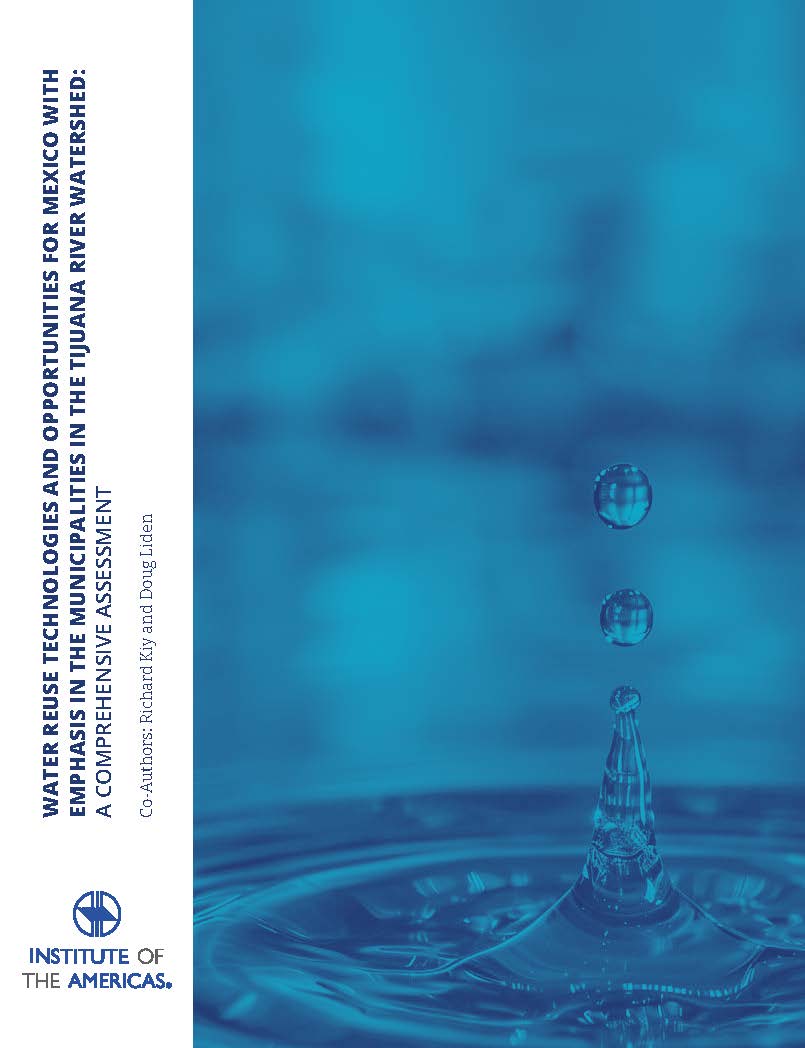
In continuation to IOA and CEMDA's Binational Water Reuse Forum and the release of its reports on the potential for water reuse in Baja California, two complementary studies anchored the discussion. IOA's technical assessment maps reuse applications, costs, and case studies—from Pure Water San Diego and Oceanside to León's SAPAL nanofiltration plant—alongside global models from Israel and Singapore. CEMDA's legal-policy diagnostic examines constitutional foundations, governance across federal, state, and municipal levels, and comparative law. Both conclude that while Mexico's December 2025 General Water Law mandates reuse in certain sectors, a regulatory gap still blocks potable reuse—leaving the key barriers institutional and financial, not technical. |
|
|
|
|
|
IOA organizes water re-use site visit for Mexican officials to Pure Water Oceanside |
|
|
|
|
|
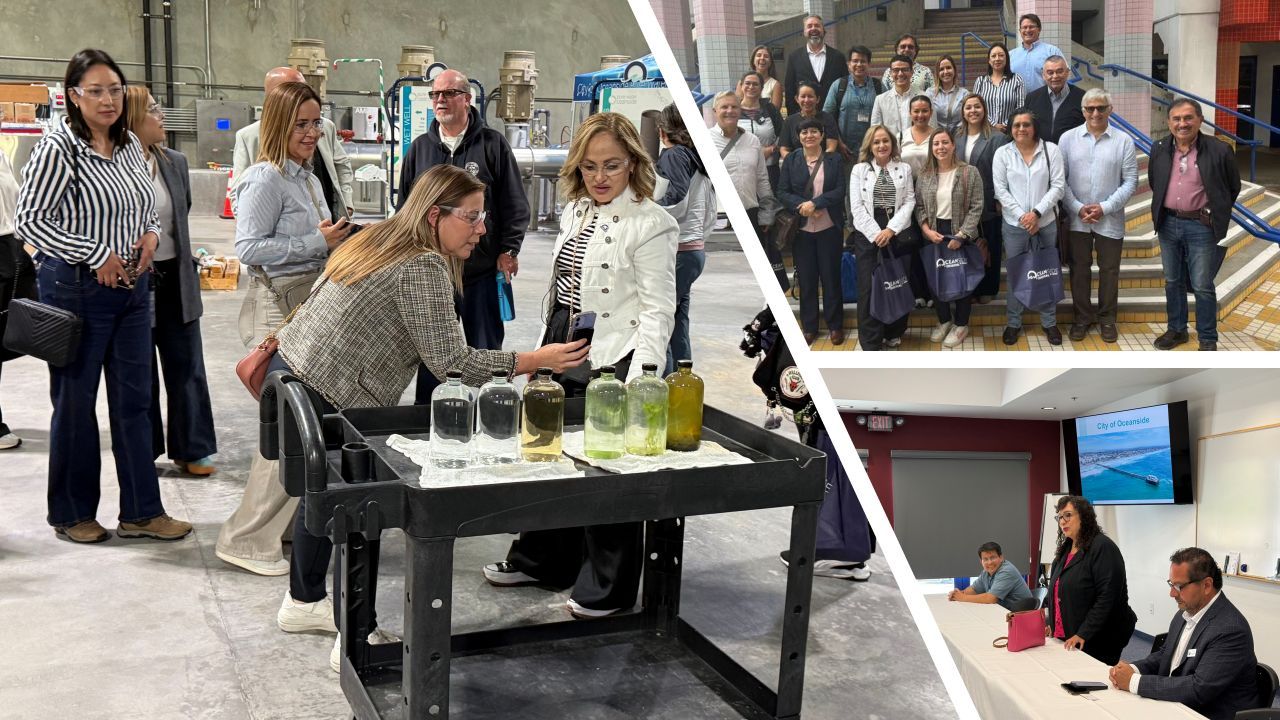
In the framework of the Binational Water Reuse Forum held in Tecate, the Institute of the Americas organized a technical visit to the Pure Water Oceanside plant, located in Oceanside, California, on Tuesday, June 23, 2026. This facility is one of the first advanced water‑reuse purification plants in Southern California, producing high‑quality drinking water from treated wastewater. We brought together senior officials from the municipalities of Tijuana and Tecate (State of Baja California), and the City of Oceanside to explore innovative solutions for long-term water resilience. |
|
|
|
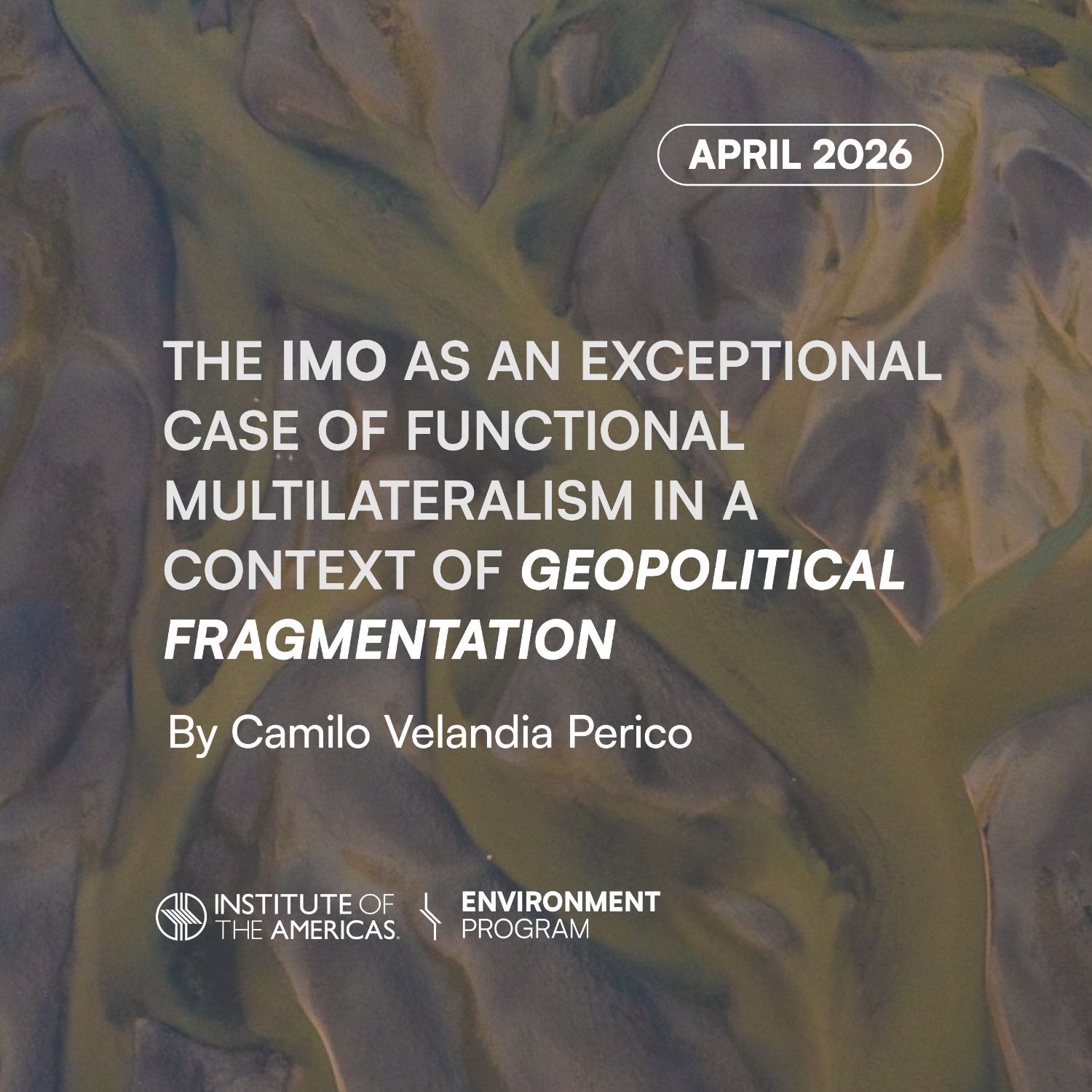
The IMO as an Exceptional Case of Functional Multilateralism in a Context of Geopolitical Fragmentation. |
|
|
|
An essay by Camilo Velandia Perico In this April 2026 essay for the Institute of the Americas' Environment Program, Non-Resident Fellow Camilo Velandia Perico argues that the International Maritime Organization stands apart from other multilateral bodies caught in cycles of gridlock and veto. Because IMO standards—from the 2020 sulphur cap to its 2023 decarbonization strategy—apply across the global fleet regardless of formal ratification, influence flows from active participation in consensus-building rather than blocking power. Velandia contends that even smaller states gain strategic relevance here, making engagement a pragmatic necessity as the maritime energy transition advances amid geopolitical fragmentation. Read Essay in English & Spanish » |
|
|
|
|
|
|
|
IOA Advancing the Critical Minerals Dialogue in Argentina |
|
|
|
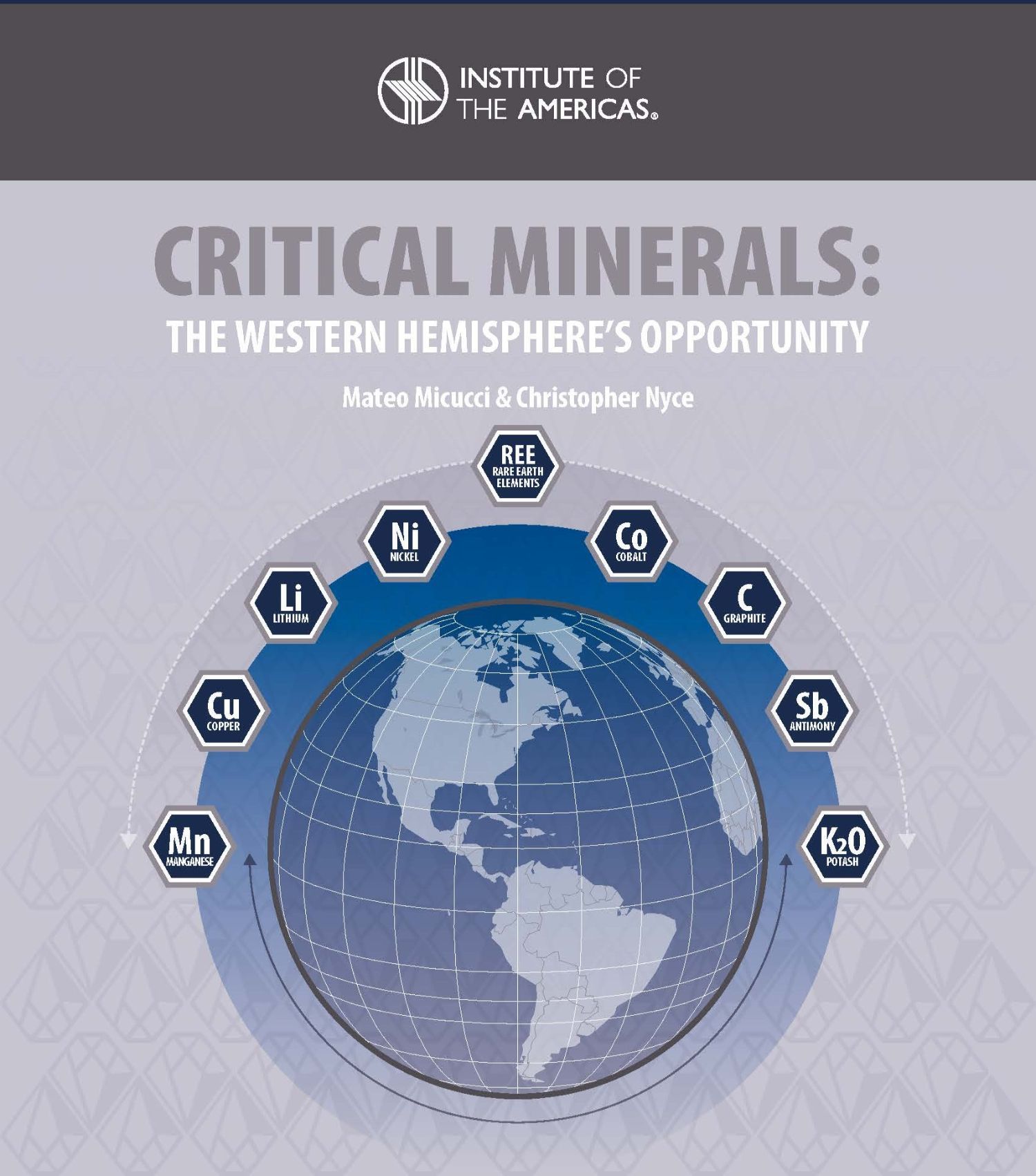
The Institute of the Americas along with CEARE/UBA and Centro Argentino de Ingenieros (CAI) convened a discussion around the launch of our policy paper Critical Minerals: The Western Hemisphere's Opportunity, co-authored by Chris Nyce and Mateo Micucci. The report spotlights Argentina’s growing role in regional supply chains. Discussions emphasized that success will depend not just on resource abundance, but on aligning policy, infrastructure, workforce development, and investment conditions to deliver projects at scale. Speakers highlighted a shift from potential to execution, stressing the need for better permitting, logistics, and community engagement. U.S. officials signaled strong support, noting Argentina has earned trust and could become a key, reliable partner in strengthening Western Hemisphere supply chains. |
|
|
|
|
|
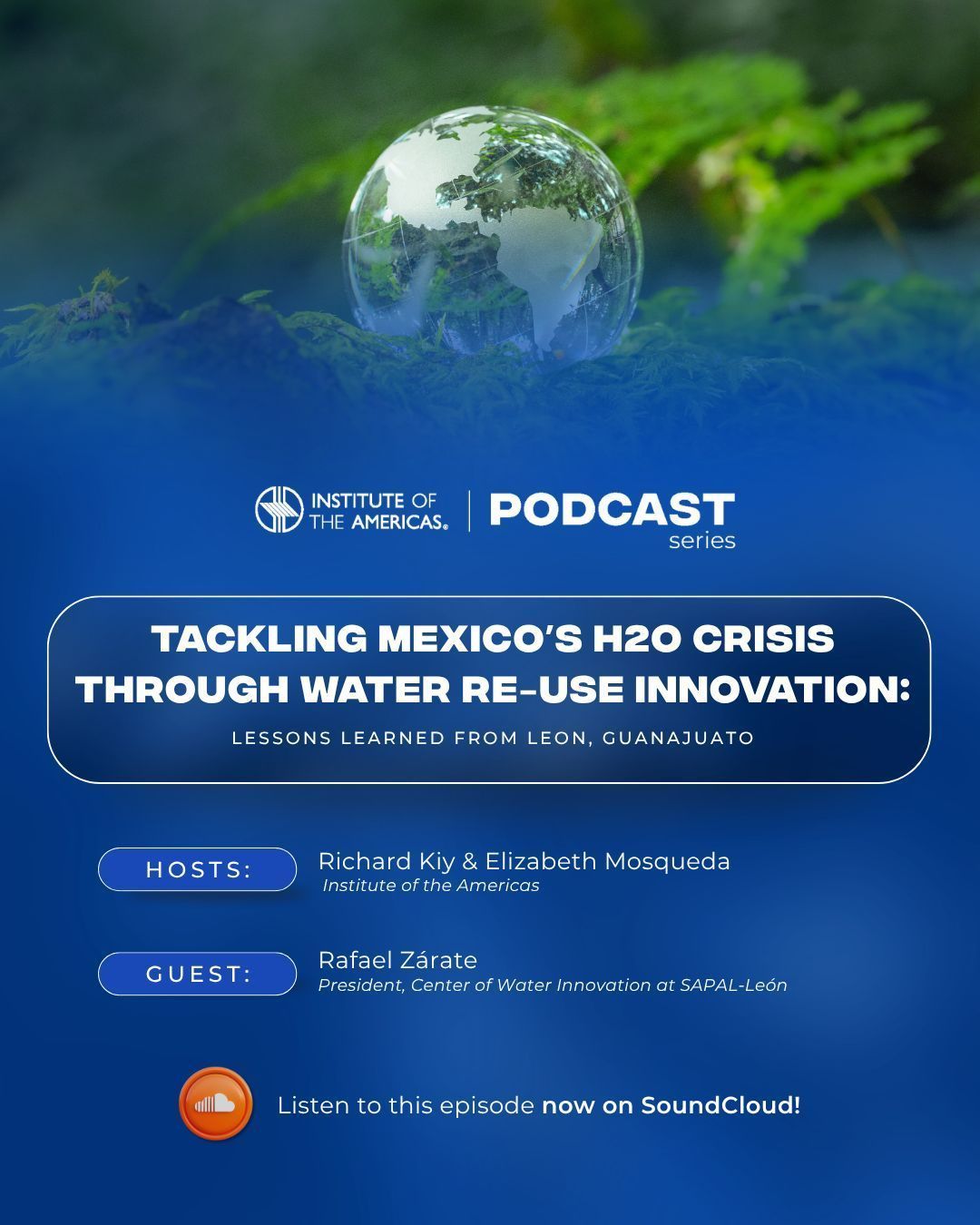 |
Tackling Mexico’s H2O Crisis through Water Re-Use Innovation: Lessons learned from Leon, Guanajuato Richard Kiy, Elizabeth Mosqueda and Ing. Rafael Zárate,President, of the Center of Water Innovation at SAPAL-León discuss the challenges of water stress in Mexico’s El Bajio region and efforts by SAPAL to promote greater water security for Leon residents through water reuse. Listen here » |
|
|
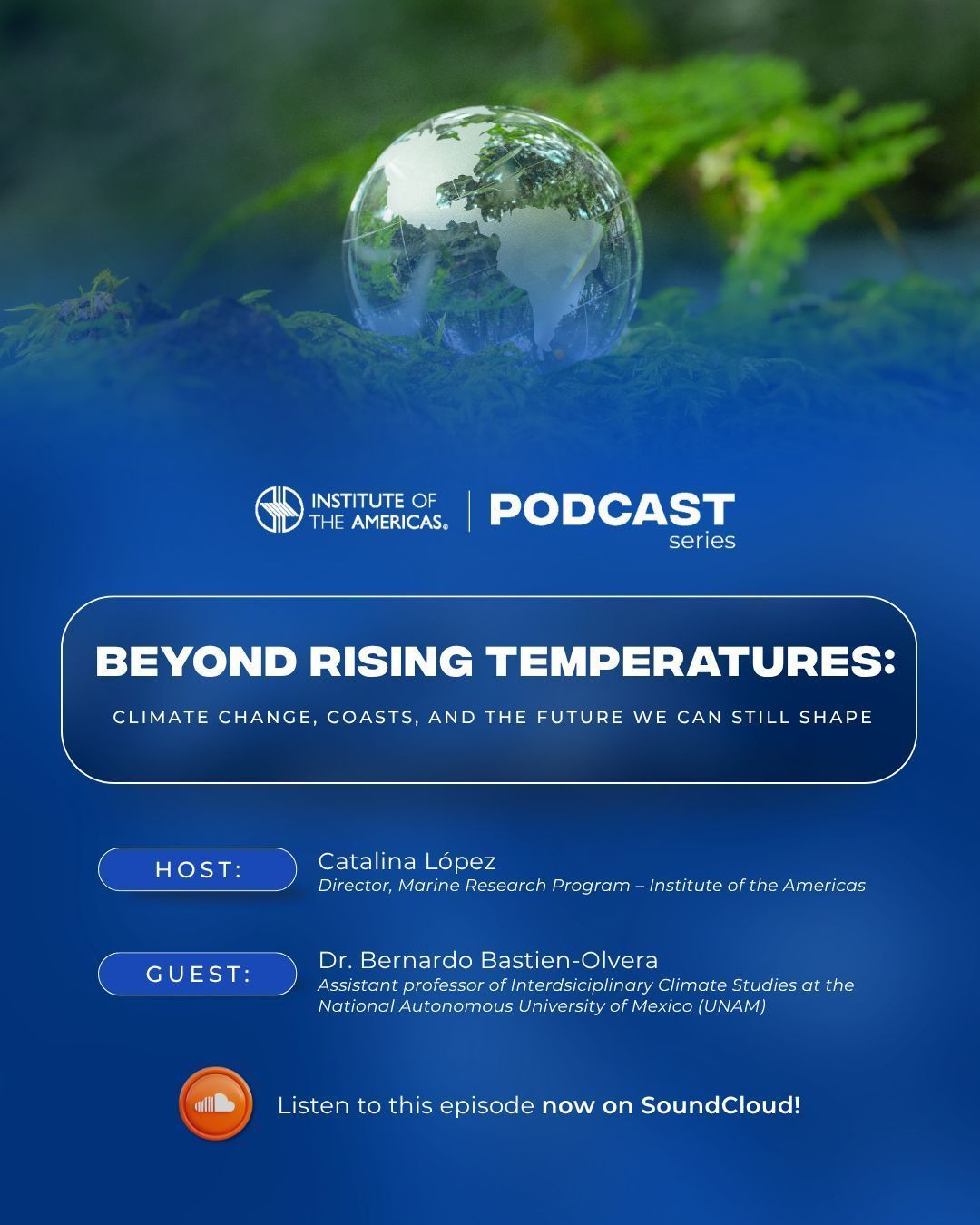 |
Beyond Rising Temperatures: Climate Change, Coasts, and the Future We Can Still Shape
Catalina López and Dr. Bernardo Bastien-Olvera, assistant professor of Interdisciplinary Climate Studies at the National Autonomous University of Mexico (UNAM), discuss the impacts of climate change on nature, economics and human well-being. Listen here » |
|
|
|
|
|
We are pleased to welcome two new interns to the Institute of the Americas, who are playing a key role in organizing and digitizing IOA’s historical records—helping preserve the Institute’s institutional memory and ensure that decades of thought leadership remain accessible for future analysis and engagement. |
|
|
|
|
|
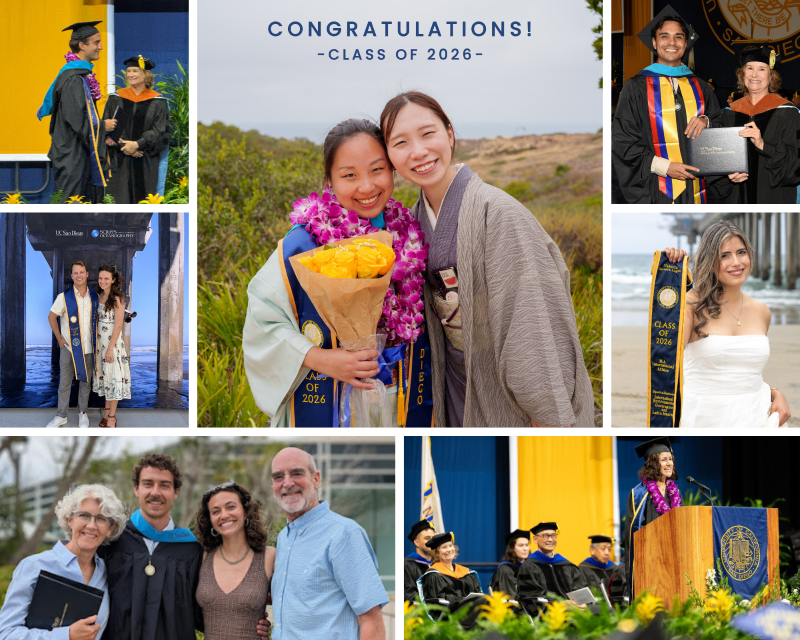
Celebrating IOA Interns Graduation from UC San Diego’s School of Global Policy & Strategy and Scripps Institution of Oceanography |
|
|
|
|
|
We proudly celebrate IOA interns Juan Morfin, Paul Youngblood, Zane Heather, Rio Namegaya, Mateo Micucci, Katrina Haidari and Valeria Becerra, who recently graduated from UC San Diego School of Global Policy & Strategy and Scripps Institution of Oceanography. Over the past months, they played an integral role in advancing our work—contributing to reporting at the Madrid Energy Conference and the Water Reuse Forum, supporting the launch of the IOA podcast series, and conducting research on critical minerals, among other initiatives. As they reach this important milestone, we are grateful for their dedication, professionalism, and impact, and we look forward to seeing their continued contributions to the energy and policy space. |
|
|
|
|
|
|
|
|
|
|
|
|
|
|
|
|
|
|
|
Institute of the Americas
10111 North Torrey Pines Road, | La Jolla, California 92037
858-453-5560 | [email protected] |
|
|
|
|
|
|
|
|
|